About the Animal Biosciences Department
The Animal Biosciences department was established as a part of the Ontario Agricultural College, before it became the University of Guelph in 1964. The department is considered to be one of the leading departments of its kind globally. They offer multiple graduate and undergraduate programs, currently with a combined total of 1000+ enrolled students. Along with their academic programs, this department is known for their research. About $6 million is directed into research annually from external sources. These funds go towards researching animal nutrition, genetics, breeding, behaviour, etc.
About My Job
Research Project
I was hired as a turkey shackle image editor. This position was created to assist PhD Candidate Ryley Vanderhout with his research project at the University of Guelph. Ryley is completing his Master of Science by thesis in the Animal Biosciences department.
Ryley, along with a group of peers, began this project in January 2019. The goal is to increase production in the turkey industry while simultaneously decreasing its carbon footprint. They will achieve this by incorporating genomic data into Canadian turkey breeding programs and by investigating measurable phenotypes.
My Role
Throughout this work term I worked mainly independently, with weekly meetings with the image processing team. Some of my responsibilities included:
- Capturing images from footage taken of turkey carcasses on the evisceration line.
- Editing images to meet certain criteria. This criteria ensured the pictures would be recognized by their software.
- Ensuring images are labelled and organized properly so they can later be identified.
- Sorting through images to match each turkey with the correct ID, running the python script to change each file name.
- Creating a turkey infographic
Software used:
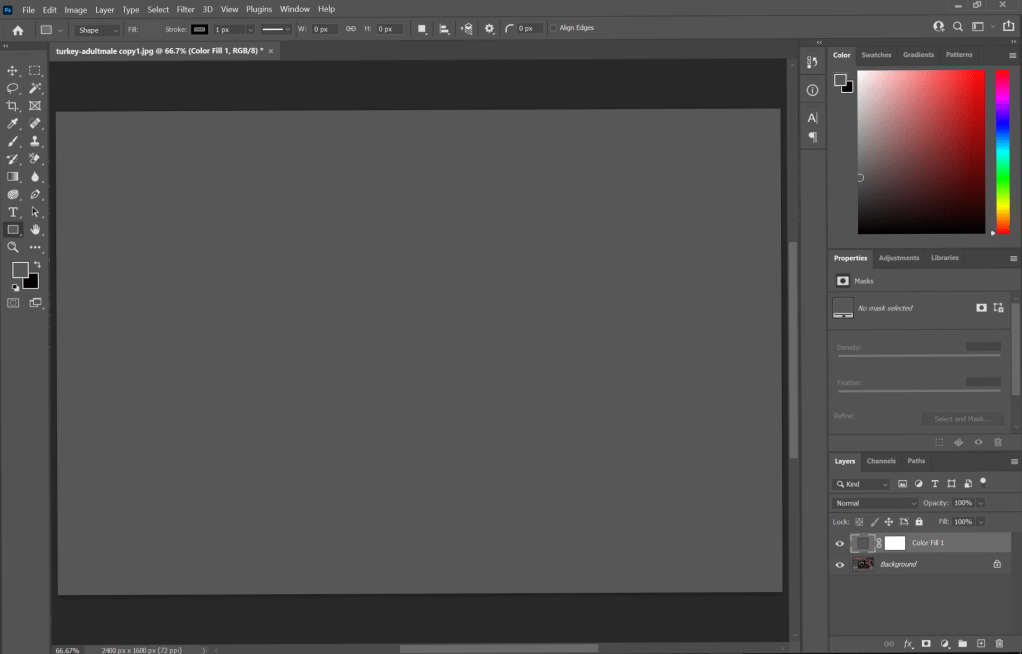
- Photoshop
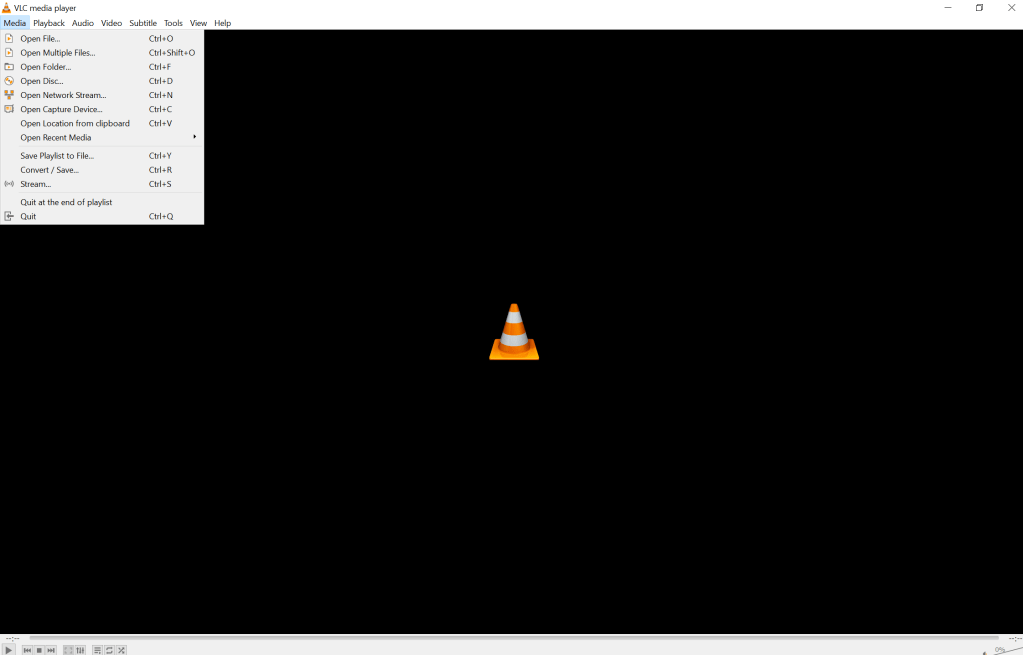
- VLC Media Player
My Goals
Technological Literacy
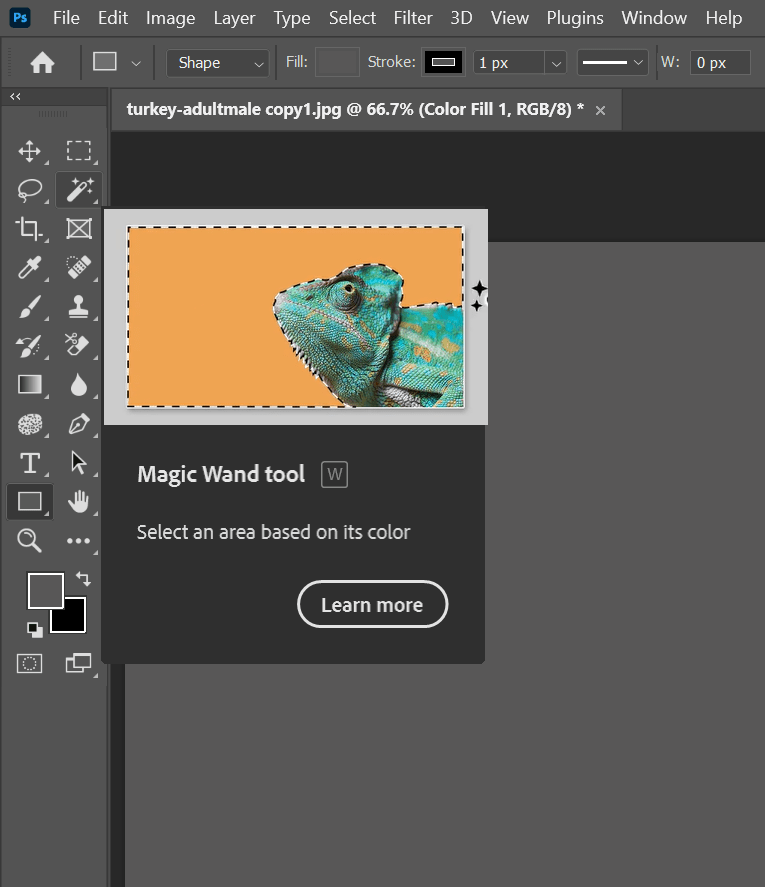
The majority of my work was done with Adobe Photoshop. Before this work term, I had only basic experience with Photoshop through past courses. During this Co-op, I wanted to improve my Photoshop to use it more efficiently. I wanted to complete this goal because it would help me work faster and knowledge of this application could be useful in future roles. By the end of this term, I can say I have successfully improved my skills. I accomplished this by learning shortcuts or more efficient ways to edit the images. Learning about tools, such as the magic wand tool, and new shortcuts, like the inverting shortcut, I was able to produce the same quality images in a shorter amount of time.
Time Management
I wanted to work on my time management skills throughout this semester. Since this position was remote, and a lot of the work was independent, I thought focusing on this skill would be beneficial. To improve this skill, I used a google sheet to document the amount of photos I edited each hour. This allowed me to keep track of my progress throughout the day. If I had a slow few hours, I would recognize that and adjust my speed for the next few hours. Similarly, I began to recognize trends within my speed. I would complete less images when I first started a video. Noticing trends allowed me to better estimate as to when I would complete a certain set of images. By the end of the work term, I could tell my time management skills had improved because my work became more consistent.
Personal Organization
An important aspect of this position was organization. Since disorganization would lead to a wrongly identified turkey and incorrect data, I decided to make it a goal to work on my organization skills. At the beginning of this work term I implemented an organization system with different folders for each week of videos. Then, each video individually and numbering them appropriately. Throughout the semester, I changed this system slightly by having two copies of this system, one for samples and one for edits. This helped ensure all the photos would be safe if anything went wrong in the editing process. Having the original photos also helped with identifying and tagging. Sometimes the original photo had a clearer view of the tag or you could see another turkey in front or behind that helped with identification. Keeping organized made the process a lot easier and helped to ensure every photo had the proper ID.

Conclusion
Working in this position for the Animal Biosciences Department at the University of Guelph has been a wonderful opportunity. I learned a lot of valuable software skills in regards to Photoshop and VLC Media Player. As well as organization and time management. This was a great first co-op work term and I am excited to use these skills in the future.
 Megan Tibbles